
DESTINATION & TOURISM MARKETING · SAN DIEGO
Getting People to Choose a Place, Then Actually Book It
Campaigns for destination marketing organisations, tourism boards, business improvement districts, attractions and resorts — measured in visitation and partner bookings, not reach.
THE ACCOUNTABILITY PROBLEM
Destination Marketing Is the Easiest Budget to Hide In
The visitor books a flight with one company, a room with another, a table with a third and a ticket with a fourth. None of it happens on your site, so the campaign gets reported in impressions, reach and video views — numbers that can always be made to look good and that no board member can challenge.
It is measurable, but only if you decide up front what counts: referrals handed to named partners, partner-side bookings, visitor centre and itinerary engagement, signed-up trip planners, geolocated visitation lift against a control market. We would rather agree those in week one than defend a reach number in month twelve.

HOW A TRIP IS ACTUALLY DECIDED
Two Decisions, Months Apart
First somebody chooses a place — often loosely, months out, from a shortlist of three or four. That decision is made on feeling, images, video and what a friend or a creator said, and it is where broad campaigns genuinely earn their budget.
Then, much later and much more practically, they decide what to actually do and book. That decision is made in search, in maps, in reviews and increasingly in an AI answer to “what should I do in three days in…”. It is where most destination programmes are weakest, because the money went to the first stage.
We build for both, and we keep them separate in the reporting so nobody can claim credit for a booking that a brand film had nothing to do with. The second stage leans heavily on search, AI answers and real itinerary content.
WHAT WE DO
Destination & Tourism Marketing Services
Six areas. Most programmes over-invest in the first two and under-invest in the third, which is where the booking actually gets made.

Destination Brand & Platform
Positioning, campaign platform and the visual and verbal system partners can actually use. A destination brand fails when it lives in a PDF nobody outside the office ever opens.

Film & Photography
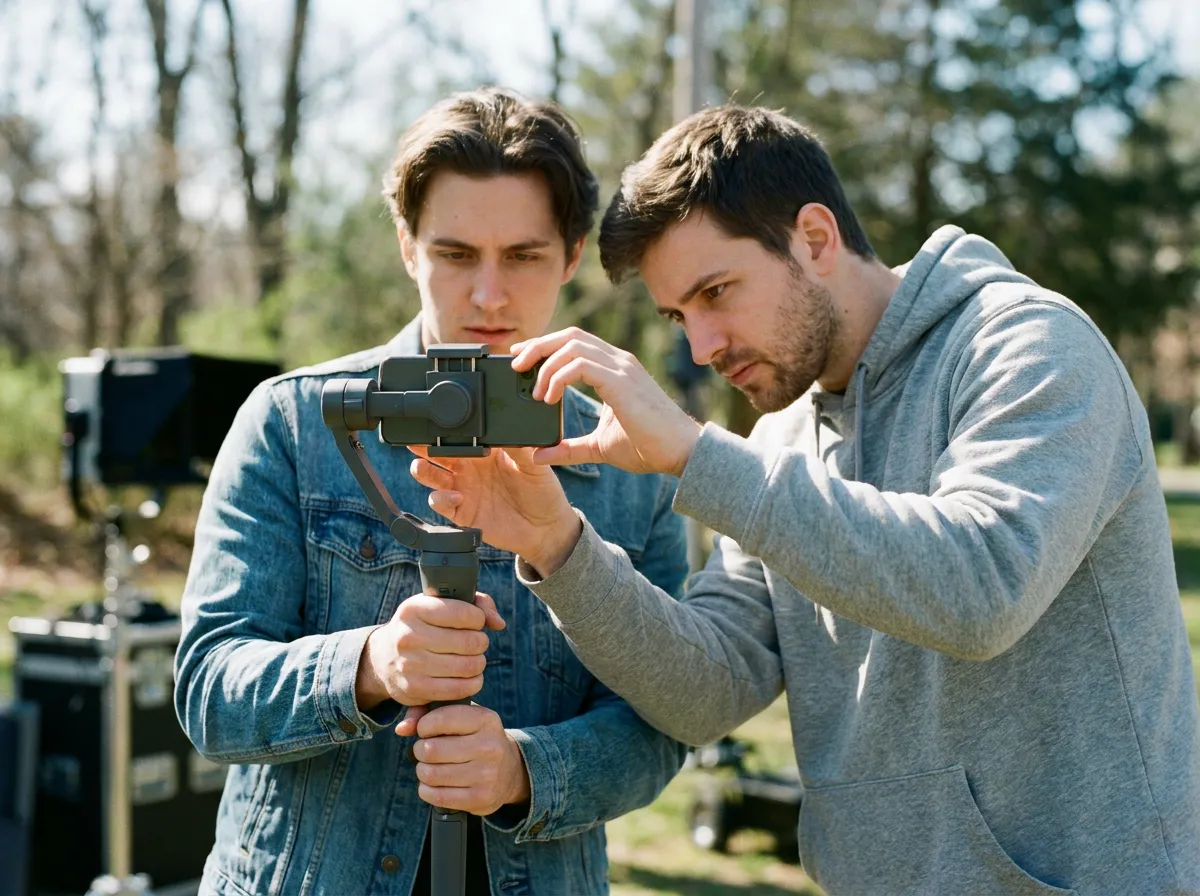
Brand film, short-form, aerials and a stills library, produced so partners, media and operators can all draw from the same asset set instead of each commissioning their own.

Trip-Planning Search
“Things to do in…”, “best time to visit…”, three-day itineraries. High-intent, under-served, and now answered by AI assistants that quote whoever wrote the clearest guide.

Feeder-Market Paid
Paid search, social, video and connected TV aimed at the drive and short-haul markets that actually convert, with a control market held back so lift can be measured. Run by our paid media team.

Partner & Board Reporting
Referrals to named partners, partner-side conversion, visitation signals and campaign cost per attributable visit — in a format a board and a partner committee can both read.
HOW A PROGRAMME RUNS
The Formula for Destination Marketing
Four stages. Stage two is the one that makes the annual review survivable.
01. Define the Visitor
Which visitor, from which market, in which season, worth how much. A destination that markets to everybody markets to nobody, expensively.
02. Agree the Measures
What counts as a result, before anything is bought. Partner referrals, bookings, visitation lift — and what we are honestly unable to measure.
03. Run the Two Stages
Inspiration in the feeder markets, planning and booking support at the point of intent, with partners supplied assets they can use.
04. Report to the Board
Against the measures agreed in stage two, including what did not work. Partner committees deserve better than a reach number.
PARTNERS AND STAKEHOLDERS
A Destination Campaign Has Two Audiences
The visitor is one. The other is the hotels, restaurants, attractions and operators funding or endorsing the work — and a campaign that visitors love but partners cannot see themselves in tends not to get renewed.
So we build the programme so partners can use it: a shared asset library, co-op media they can buy into, listings and itineraries that send them named referrals, and reporting that shows what each of them received. That turns the annual partner meeting from a defence into a briefing.
It also happens to be the most efficient way to extend reach. A hundred operators posting good, on-brand assets outperforms the campaign's own channels in most destinations we have looked at.
WE WORK THE PARTNER SIDE TOO
We Market the Businesses a Destination Is Selling
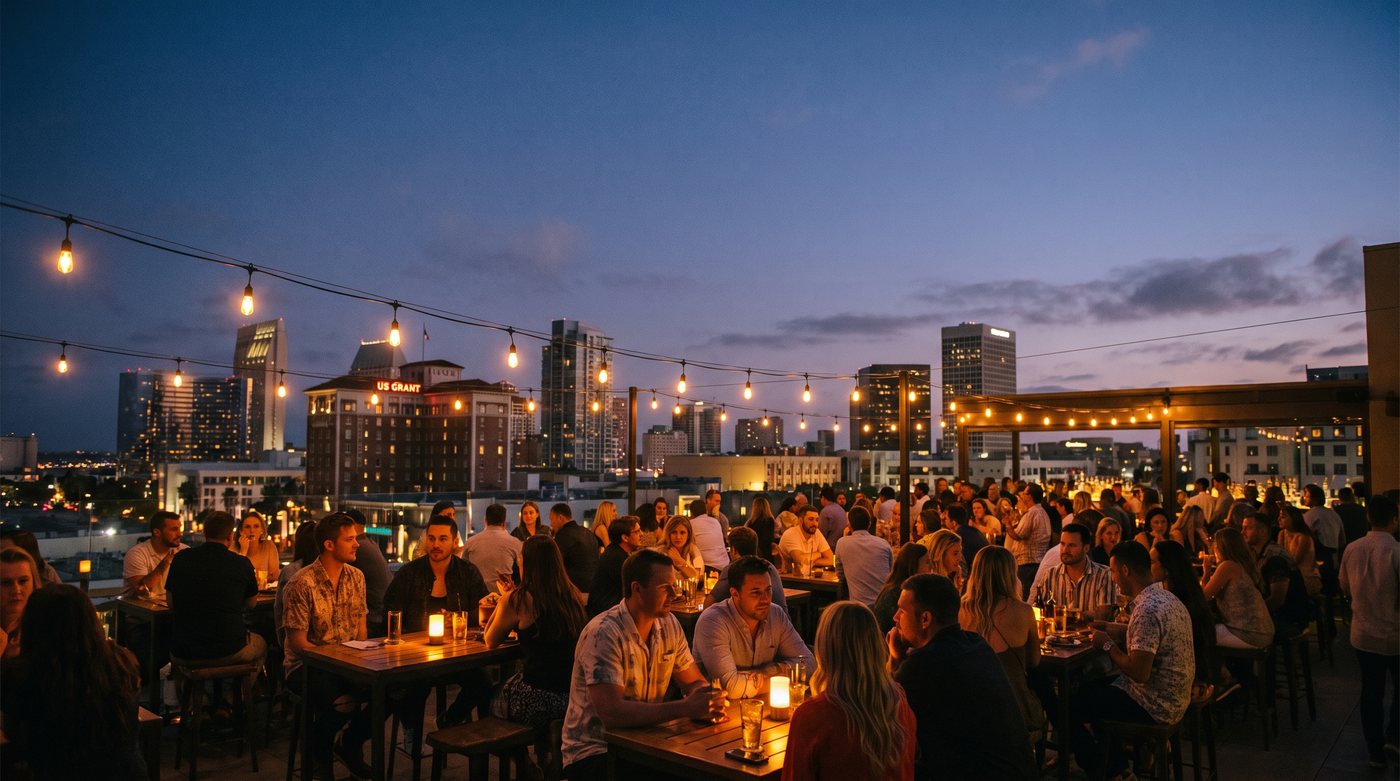
Most destination agencies have never had to fill a Tuesday at a restaurant or defend a hotel's direct booking share. We do both, continuously, for operators across San Diego — which means we know what a partner referral is actually worth to the business receiving it, and what makes an asset one they will genuinely use.
We are at 770 First Avenue downtown. We work with hotels, restaurants, bars and attractions here every week, and that operator-side view is the difference between a destination campaign partners tolerate and one they promote.
This page is one part of the practice. We also run hotel marketing, restaurant marketing, hospitality group marketing, event marketing and hospitality PR — the overview sits on our hospitality marketing page.
We work with businesses across Downtown, La Jolla, Carlsbad, Encinitas, Chula Vista, Oceanside, Escondido and Coronado — the full list is on our service areas page.
Grow Your Brand With Our Marketing Formula
Discover how our expert strategies can elevate your business to the next level.
Not big on forms? Call us at (619) 995-8333
"*" indicates required fields
What our Clients are saying
By far the best marketing company in San Diego! They are on top of it- the social posts are on time and the website updates and SEO are effective. They built a WordPress website for us and we couldn’t have been happier- highly recommended
Formula Marketing has been a phenomenal company to work with. The entire team is professional and very talented. They are clearly passionate about the work they do and have helped our business create an amazing social media presence, which has ultimately increased our sales tremendously. I highly recommend working with Formula Marketing!
Best marketing company in San Diego. They helped take my business to the next level. With Formula Marketing SD I truly feel like I have an amazing team on my side helping me every step of the way.
QUESTIONS
Destination Marketing FAQs
What is destination marketing?
Marketing a place rather than a single business — a city, region, district or attraction — usually on behalf of a destination marketing organisation, tourism board, business improvement district or a group of operators. The distinguishing feature is that the transaction happens somewhere else, on a partner's booking system, which is what makes measurement the central problem.
How do you measure a destination campaign?
By what we agree counts before the campaign runs: referrals handed to named partners, partner-side bookings where they will share data, itinerary and trip-planner engagement, signed-up visitors, and geolocated visitation lift measured against a control market. We also say plainly what cannot be attributed, which is usually the top of the funnel.
Do you work with DMOs and tourism boards?
Yes, and we understand the constraints — public or partner funding, board approval cycles, procurement, stakeholder committees and the fact that the work has to be defensible in a public meeting. We build reporting for that audience from the start rather than retrofitting it before the annual review.
What about business improvement districts?
Common and slightly different: a smaller geography, a merchant base rather than a visitor economy, and success measured in footfall, dwell time and merchant revenue. The method is the same; the measures and the media are more local.
How much does it cost?
Programme retainers generally run $6,000 to $20,000 a month plus media, depending on scope and how much production is included. Campaign-only engagements are priced as projects. Production — film, stills, itinerary content — is usually the largest single line in year one and the most reusable.
Can you produce the film and photography?
Yes, in-house. Brand film, short-form, aerials and a stills library, licensed so partners and travel media can use it. A shared asset library is one of the highest-return things a destination can own, because it multiplies through every operator who uses it.
How do AI assistants change trip planning?
Substantially, and it is under-discussed. A growing share of “what should I do in three days in…” now gets answered by an assistant that quotes whoever wrote the clearest, most specific guide. If that is not you, it is a listicle from a publisher with no stake in your destination. We cover this on our AI search optimization page.
Do you handle travel press and creator trips?
Yes — familiarisation trips, creator partnerships and travel media, briefed against the campaign platform and measured on output rather than on hosting. An unmeasured press trip is a hospitality expense, not a marketing one.
Can you help partners use the campaign?
That is a large part of the value. Asset libraries, co-op media, toolkits and named referral reporting so each partner can see what they received. Partners who can see their own results renew the funding.
Do you only work on San Diego destinations?
No. Most of our operator work is here, which is where the partner-side experience comes from, but destination and tourism programmes travel — the visitor decision works the same way everywhere, only the feeder markets and the season change.
What Would You Have to Prove Next Year?
Tell us what your board or partner committee will ask for at the next review. We will tell you which of it is genuinely measurable, which is not, and how we would build the programme so the answer exists before the question does.